
- Specialist since 2005
- 3 samples for €19.95, credited when you buy
- Pay after delivery
- Free shipping from 1,000 €


















Mehr über Click vinyl
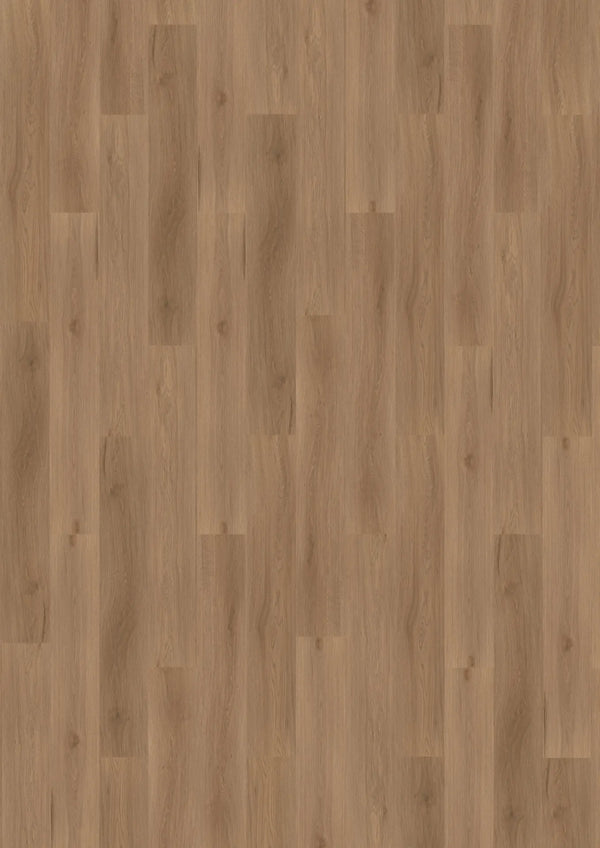
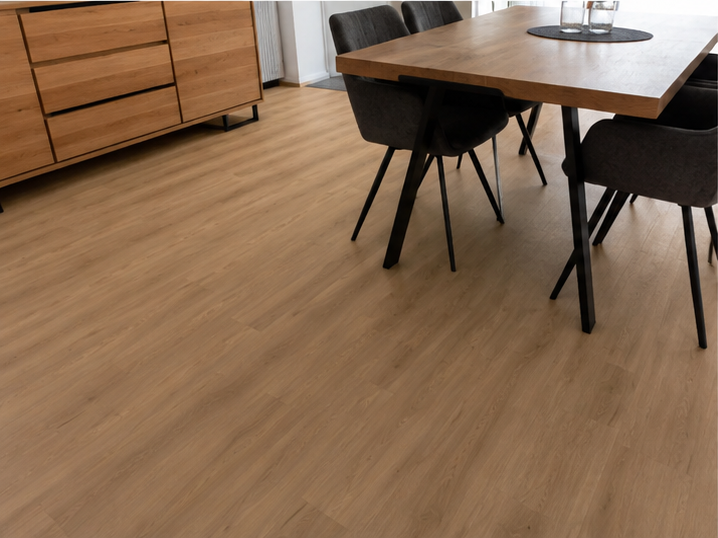
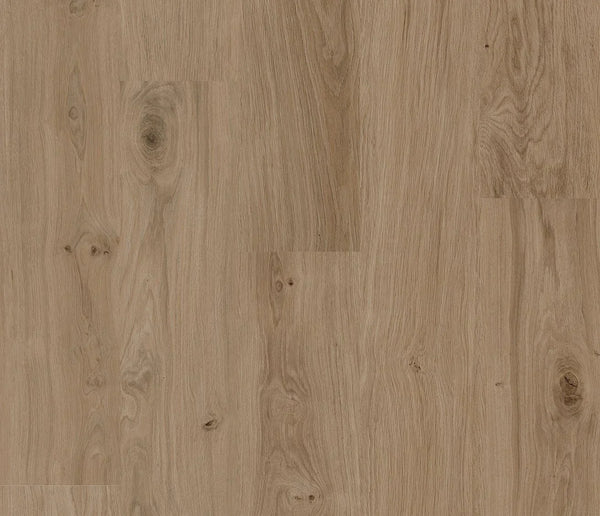
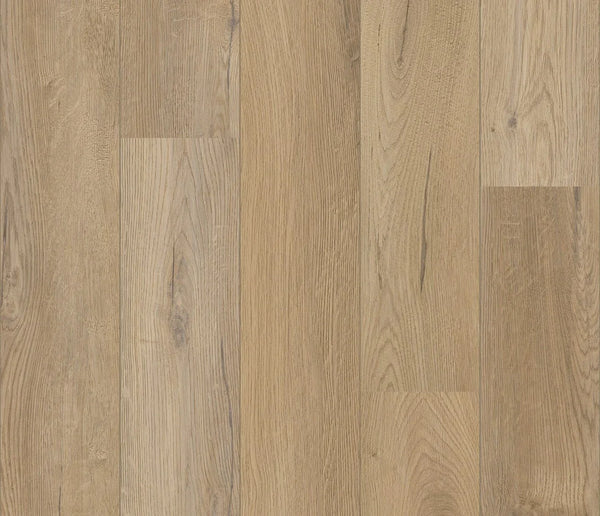
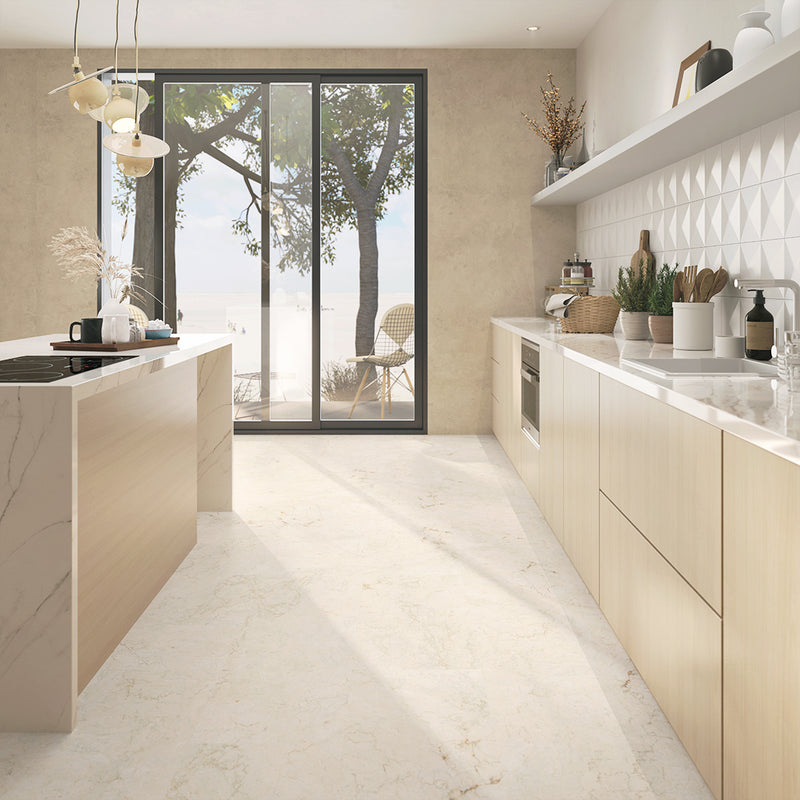
Buy click vinyl: Click vinyl is the hassle-free way to get a new floor. The planks are installed as a floating floor using a click system, without any adhesive, often in a single day. We offer over 900 designs from COREtec, Gerflor, Tarkett, CHECK, IPC, Moduleo, Project Floors and other brands, around three-quarters of which have integrated impact sound insulation.
- 🎯 Samples delivered conveniently to your home, 3 for €19.95, with the amount credited towards your purchase.
- 💬 Personal advice from a specialist company.
- 🚚 Fast freight shipping with scheduled delivery.
What is click vinyl?
Click vinyl is a vinyl floor (design floor) whose planks or tiles have a click profile on the edges. You snap them together instead of gluing them. The floor sits floating on the subfloor: It is not bonded to it, the planks only hold together with each other. This makes it quick to install and easy to remove later.
There are two types. Rigid vinyl has a rigid core, usually SPC made of stone dust and plastic. It is dimensionally stable and bridges small unevenness, which accounts for a good 750 of our over 900 click floors. Flexible click vinyl has an elastic core and is flexible. You can find all floors with a rigid core together under Rigid Vinyl.
When click vinyl is the right choice
- You are installing it yourself: No adhesive, no drying time, no special tools. A 20 m² room is doable in one day for experienced DIYers.
- You are renting: The floor can be removed without residue and taken with you.
- The subfloor is not perfect: A floating floor is more forgiving of small unevenness than full-surface gluing.
- You want it to be quiet: Many designs come with factory-integrated impact sound insulation, so you don't need a separate underlay.
- You want it to be quick: After the last click, the floor is immediately walkable; you don't have to let anything cure.
What to look for when buying
- Wear layer: From 0.3 mm is sufficient for normal living spaces, while we recommend 0.55 mm for hallways, kitchens, or home offices with rolling chairs. More than half of our click floors have 0.55 mm. The differences are explained in the guide Wear layer in vinyl.
- Usage class: It shows how heavily a floor can be used. When class 33 is worth it is explained in the guide Usage class 33.
- Integrated insulation: If your floor has factory-integrated insulation, no additional underlay should be placed underneath, as this makes the connection too soft.
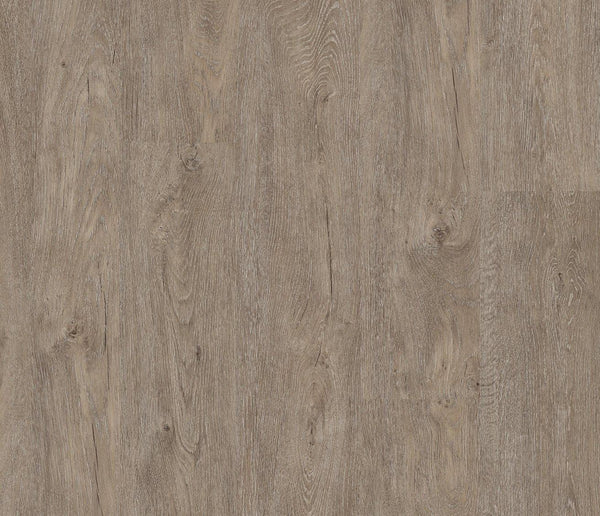
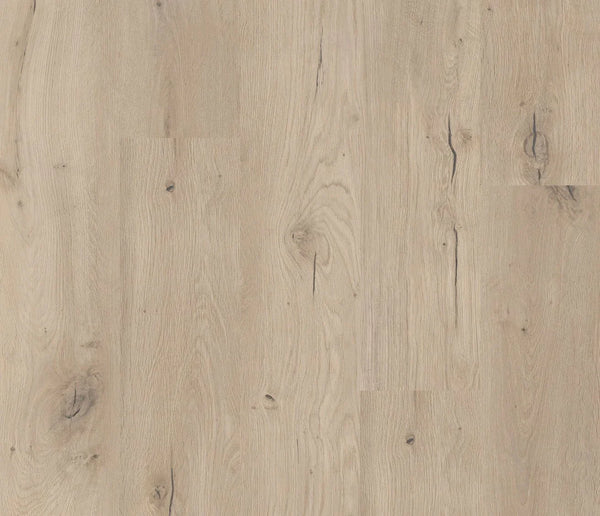
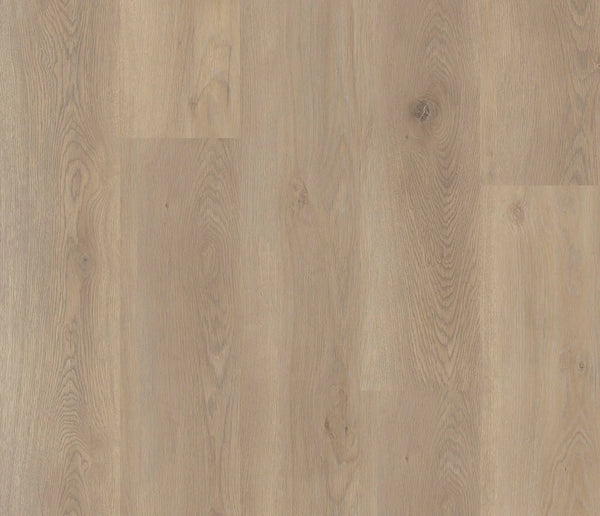
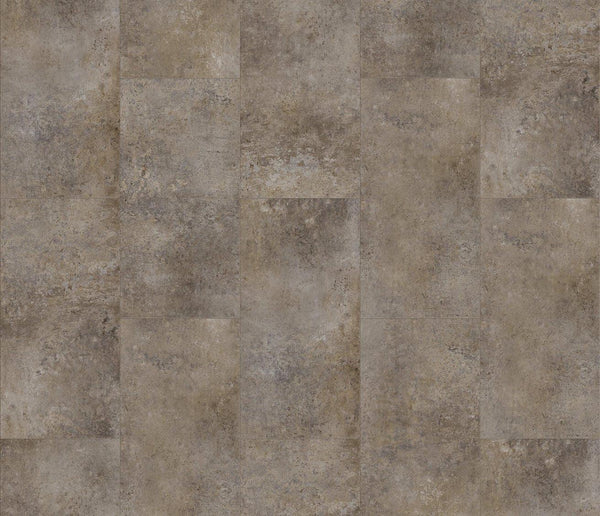
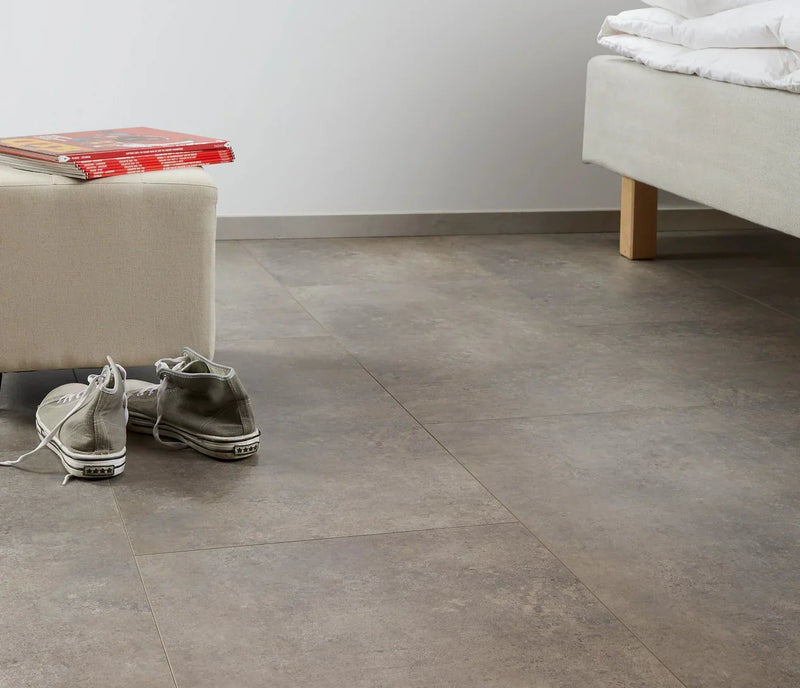
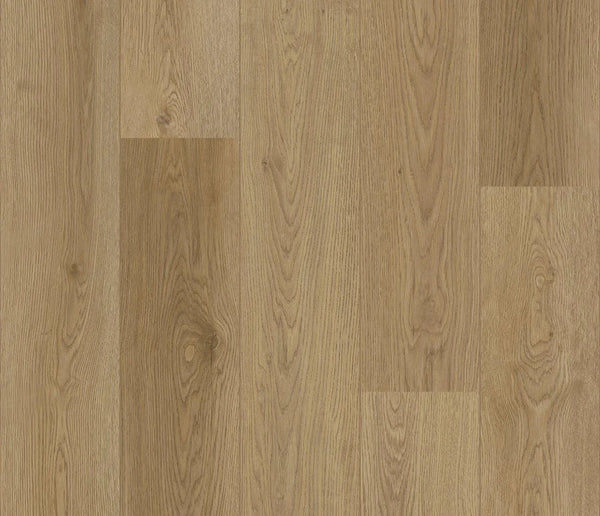
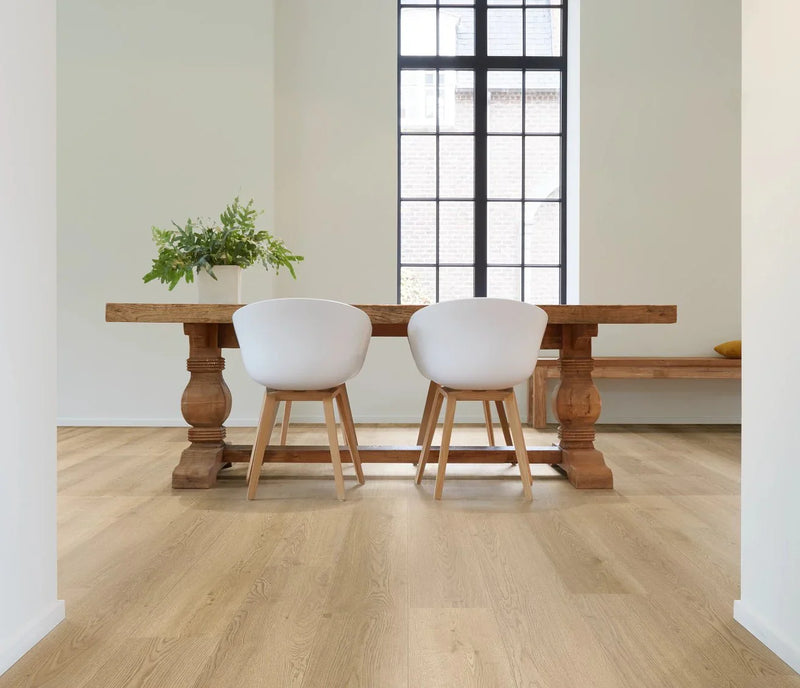
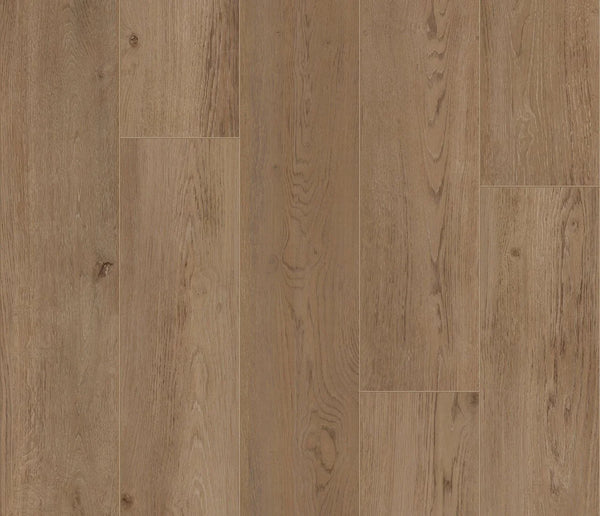
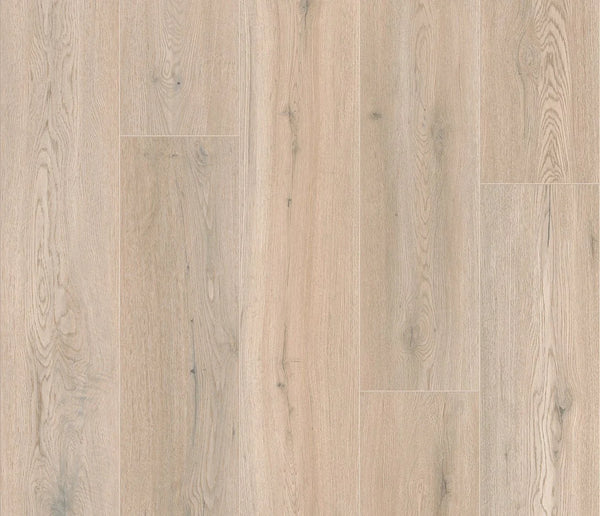
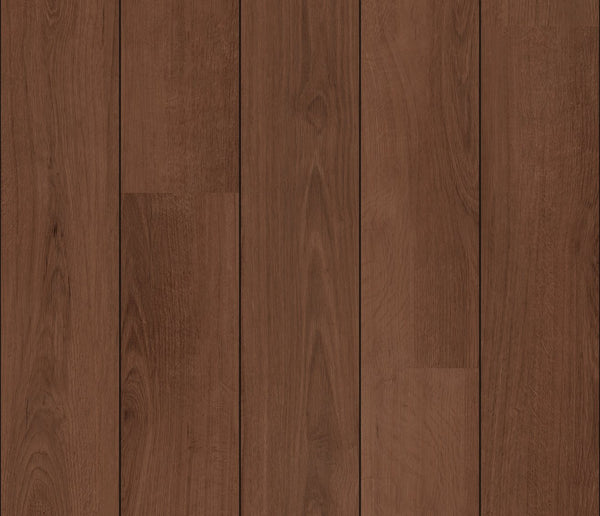
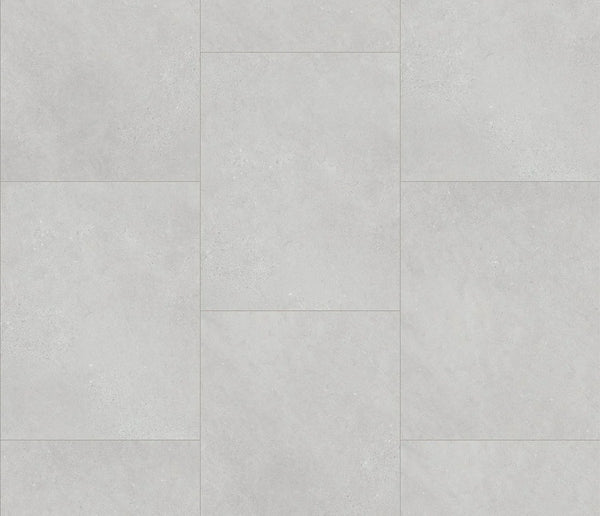
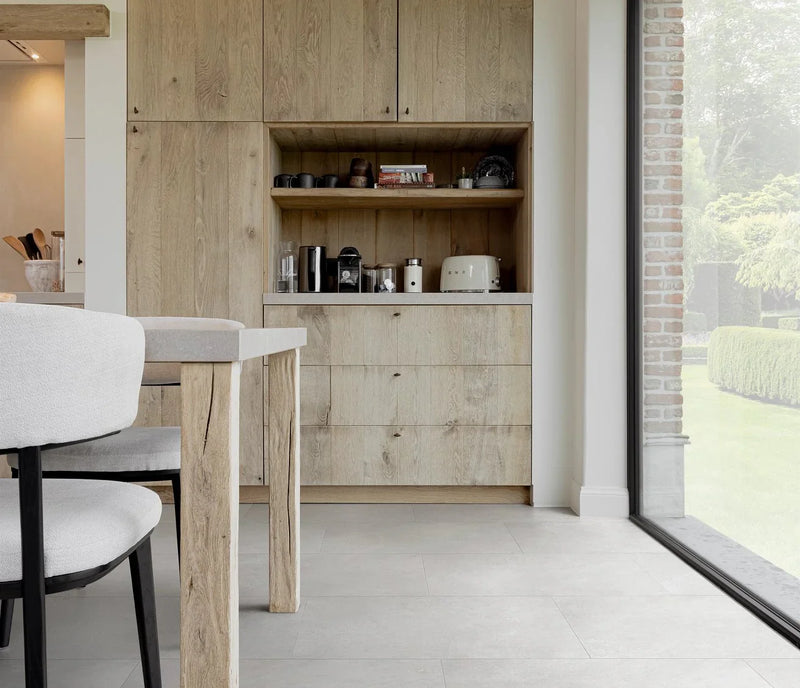
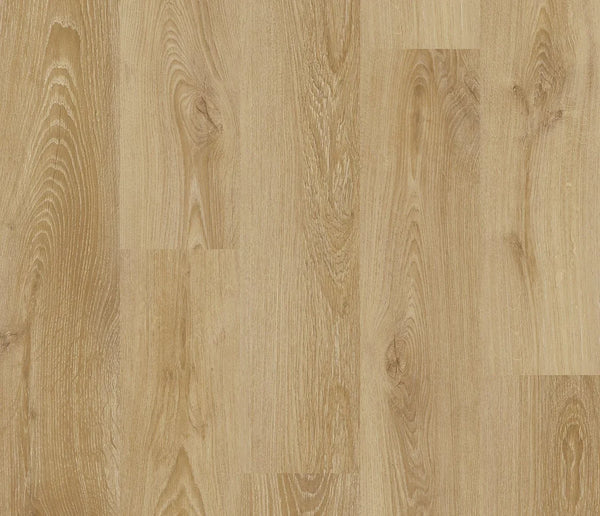
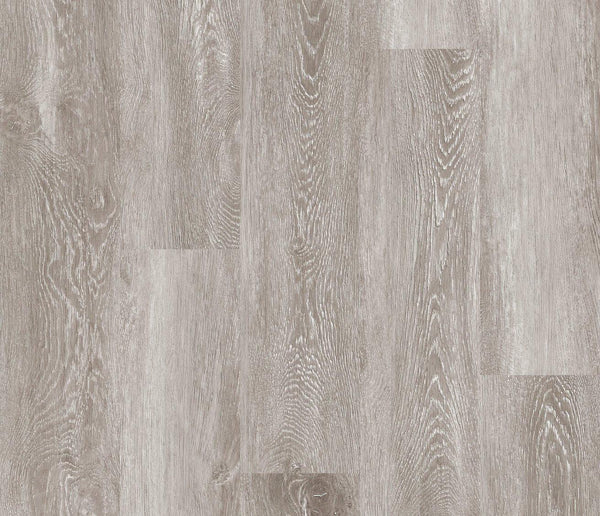
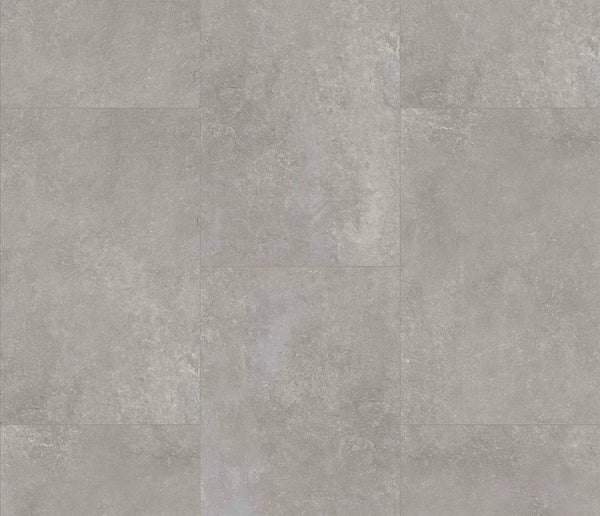
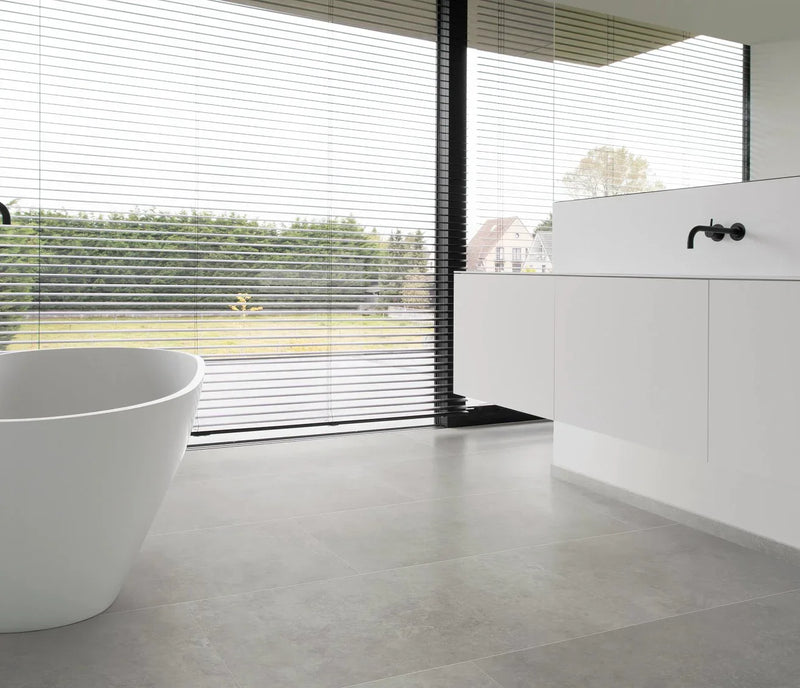
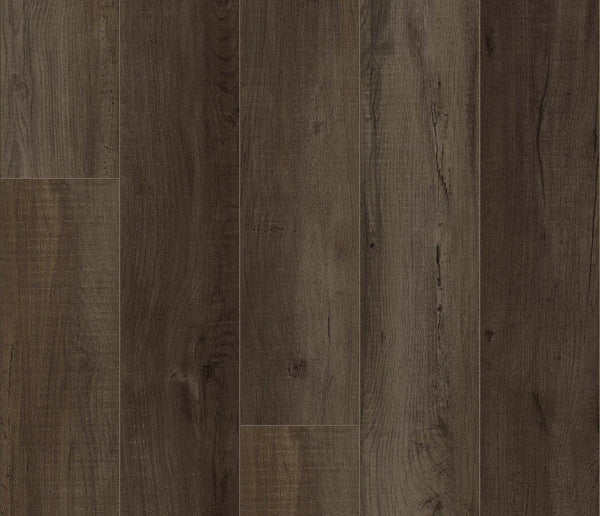
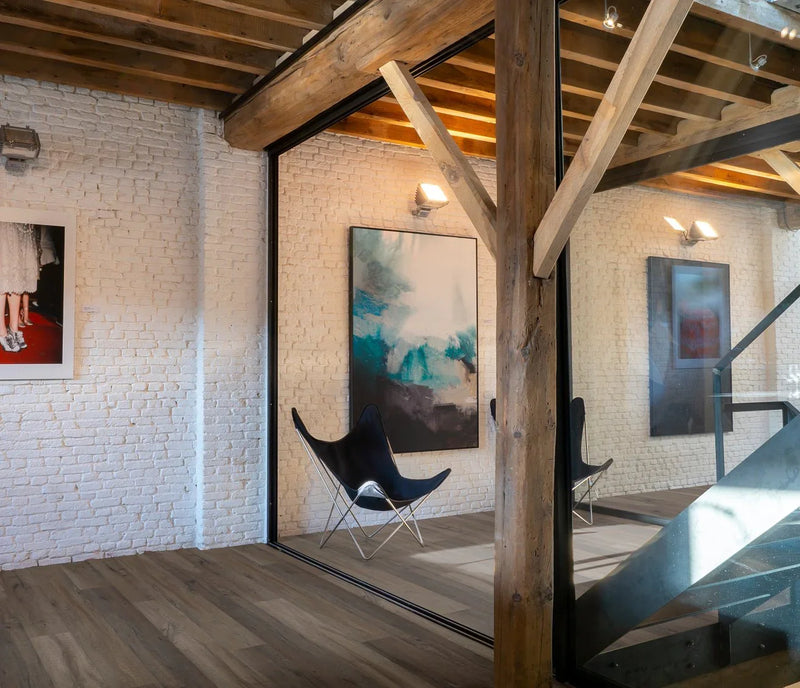
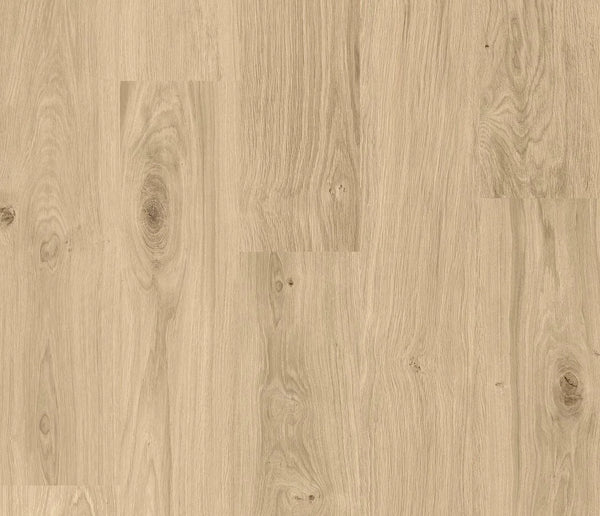
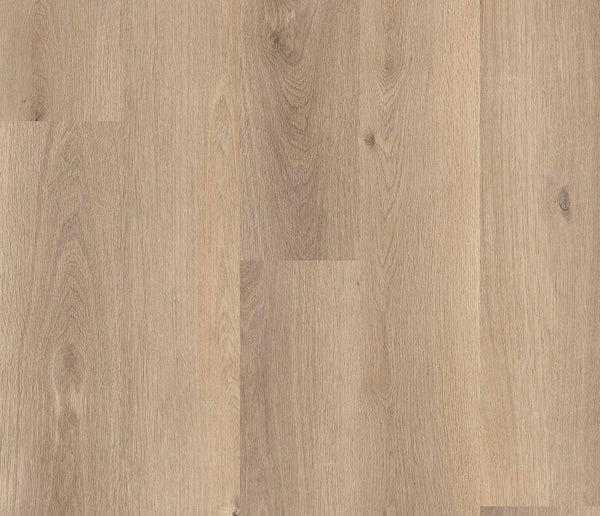
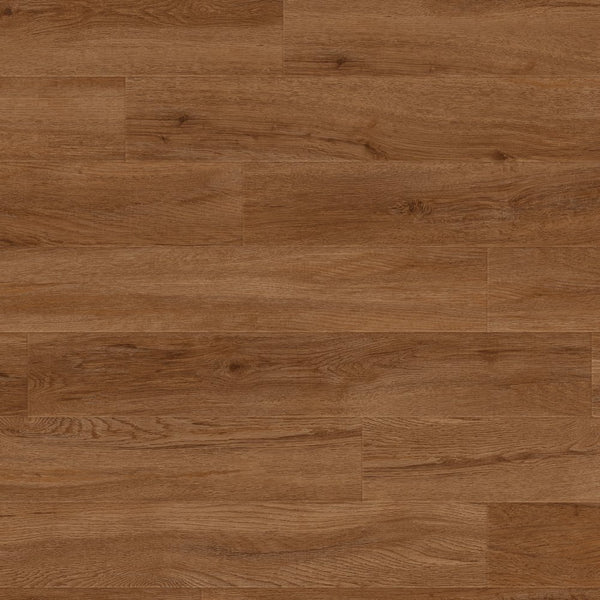
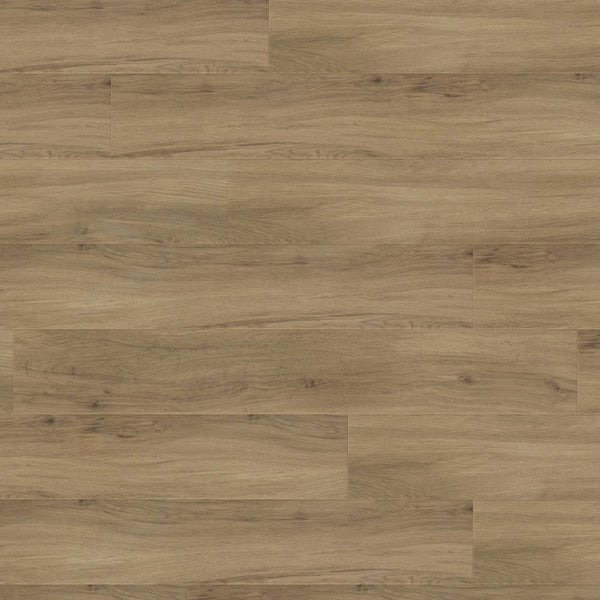
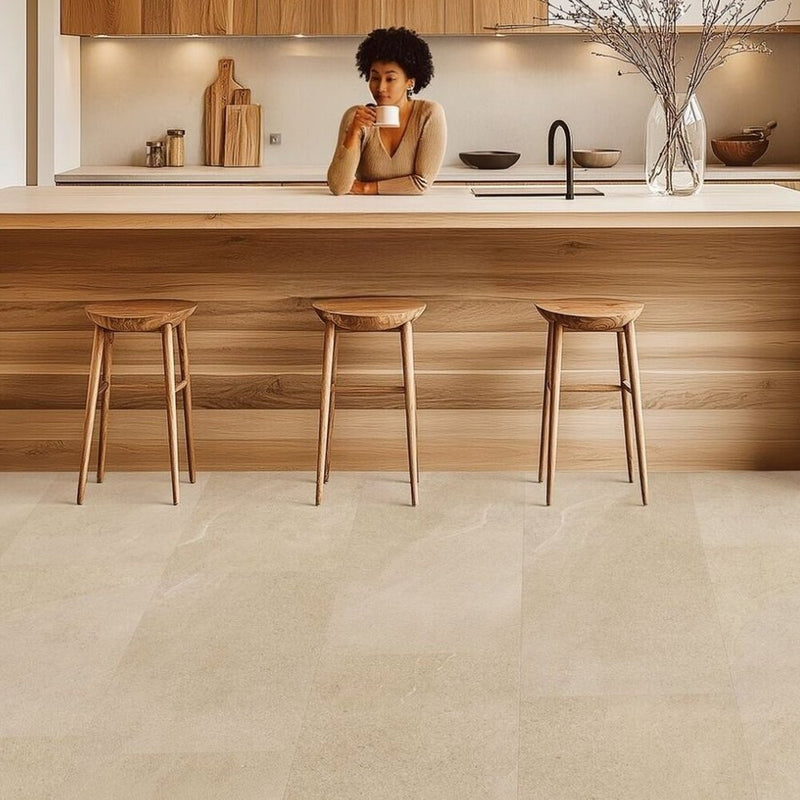
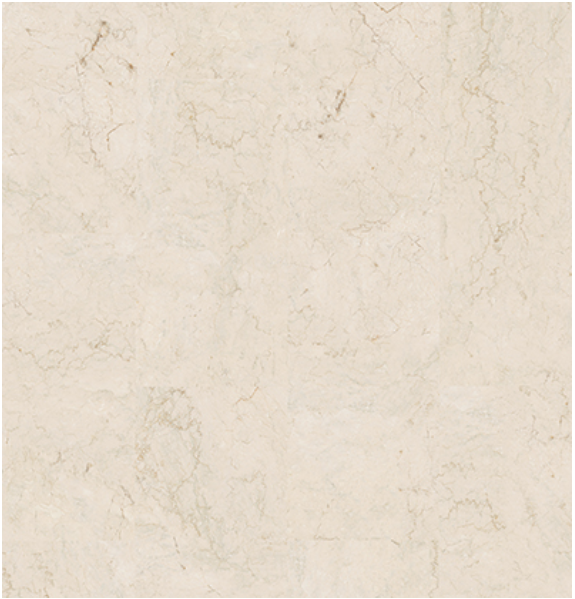
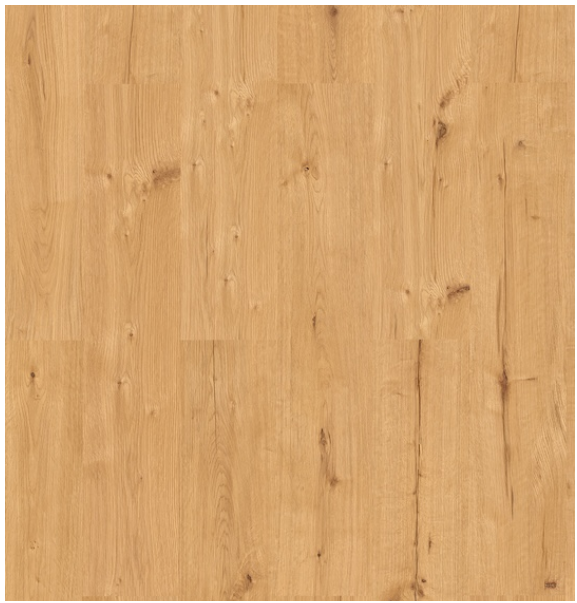
- Look and format: From wide plank to oak and herringbone to stone and tile looks.
Installing click vinyl: Subfloor, edge gaps, preparation
The subfloor must be level, solid, and dry. You level unevenness over 2 mm on 1 m with leveling compound, otherwise the click connection will move and the joints will open up over time. A vapor barrier is usually placed under screed.
Let the packages lie in the installation room for 24 to 48 hours at a room temperature of 18 to 24 °C beforehand. Keep a gap of 5 to 10 mm from the wall, and in large rooms and with underfloor heating, rather 8 to 10 mm. The manufacturer's installation instructions are decisive. 5 to 10 % is usually sufficient for offcuts. How to plan the gaps is explained in the guide Edge gaps in click vinyl, typical pitfalls in The 8 most common mistakes when installing.
Click vinyl on underfloor heating and in rented apartments
You can generally install click vinyl on wet underfloor heating. Pay attention to the manufacturer's approval and a low total thermal resistance of the overall construction; details are in the guide Vinyl floor on underfloor heating, and the approved floors under Click vinyl for underfloor heating. In a rented apartment, click vinyl scores points because you can remove it when you move out. What you need to pay attention to is explained in the guide Click vinyl in rented apartments. And if you want to install several rooms continuously without tracks, Click vinyl without transition tracks helps.
Click or glue: which is right for your project?
Our guide Click vinyl or glue-down vinyl compares both honestly. If your subfloor needs to be leveled anyway, glue-down vinyl is often worth it. Or find your floor in 60 seconds with the purchase guide.
Frequently asked questions about click vinyl
What is the difference between click vinyl and glue-down vinyl?
Click vinyl is installed as a floating floor, and the planks snap together without adhesive. It is quick, DIY-friendly, and can be removed without residue, making it ideal for rented apartments. Glue-down vinyl is glued down over the entire surface, has a lower profile, and is the classic choice for underfloor heating and large areas.
Can I install click vinyl myself?
Yes, that is the big advantage. You don't need adhesive, just a utility knife, spacing wedges, and a little patience. A 20 m² room is doable in one day for experienced DIYers. The subfloor must be level, solid, and dry.
How much does good click vinyl cost per m²?
Currently, click vinyl costs between around €22 and €83 per m² with us, and most floors cost between €32 and €60. The price depends mainly on the brand, wear layer, and core. From 0.3 mm is sufficient for normal living spaces, while we recommend 0.55 mm for hallways, kitchens, and intensive use.
Is click vinyl suitable for underfloor heating?
Generally yes, for wet underfloor heating. Check the manufacturer's approval in the product data and pay attention to a low total thermal resistance of the overall construction. With underfloor heating, keep a gap of rather 8 to 10 mm from the wall.
Do I need an underlay under click vinyl?
Only if the floor does not come with integrated insulation. Then use a pressure-stable underlay, not a soft one. A vapor barrier is additionally placed under screed. If your vinyl already has factory-integrated insulation, nothing else should be placed between them. Around three-quarters of our click floors already have integrated insulation.
How much edge gap does click vinyl need?
5 to 10 mm, and rather 8 to 10 mm in large rooms and with underfloor heating. The manufacturer's installation instructions are decisive. You cover the gap later with skirting boards.